




Implementing Internal Controls Systematically
A modern Internal Control System (ICS) not only protects organizational assets but also encompasses all process-related methods and measures that ensure compliance, security, and efficiency. A holistic view of risks and controls forms the foundation of an efficient and effective ICS.
Ideally, the ICS is part of a company-wide risk management system, managing not only internally controllable process risks but also market, business, and other internal and external risks.
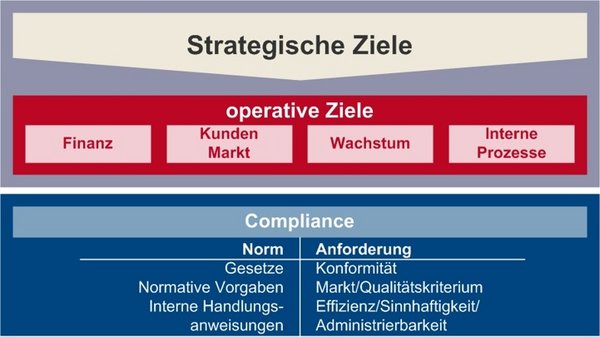
Services provided by T&O Group
- Raising risk awareness for internally controllable risks
- Reviewing existing internal guidelines and their implementation quality (job descriptions, role concepts, organizational instructions, information platforms, etc.)
- Analyzing organizational structure and workflows
- Comprehensive analysis of risks affecting value creation and organizational assets
- Reviewing and optimizing relevant processes, identifying associated risks together with involved employees
- Implementing process-integrated organizational control measures
- Establishing an ICS process and defining ICS roles and responsibilities
- Conducting control tests to verify the effectiveness of internal controls
- Introducing an appropriate ICS reporting system
Your Benefits
- Awareness of key process-related risks within the organization
- Active management of risks in critical processes
- Clear understanding of roles and responsibilities across different risk areas
- Verification of the control system’s effectiveness through control testing
During the implementation, the internal control environment and its requirements are assessed. Relevant process risks and control needs are identified collaboratively to ensure compliance with legal obligations. Control loops are defined to monitor the effectiveness of the controls.